
When relocating, you could go anywhere in the world and find great places to live in. You have the freedom of a digital nomad that enables you to choose where in the world you want to live in. Being in a new place gives you the opportunity to start anew and live the lifestyle you have always wanted. Asia has gained a lot of popularity in recent years for digital nomad exploration trips, particularly the southern part of China, Macau.
After visiting the prestigious city, many travelers end up settling in Macau, and yet it’s still not very crowded. According to Worldometer.com, Macau’s population is approximately 670,000 and it is growing every year. If you are looking for a place to relocate to, Macau could be the perfect city to bet your future on.
1. Essential Things to Know
Macau is situated in China’s southern coast, about 37 miles west of Hong Kong. It is the known as the “Las Vegas of Asia,” and is home to some of the grandest hotel resorts and luxurious casinos in the world. It is a little city that has a rich history as it was once colonized by Portugal. It is a very modern city and it’s famous for its gambling industry, but it also has many other things to offer, which is why millions of tourists visit Macau every year. There isn’t a large Black demographic in Macau; the current population is 92.4% Chinese, with just 7.6% other – this includes Macanese, mixed Portuguese and Asian ancestry.

2. VISA Policy
Macau allows travelers to enter and visit for different lengths of time, depending on their citizenship. The length of stay can vary from seven days up to one year. For example, travelers from the U.S. can stay in Macau for up to 30 days while those from the United Kingdom can stay up to 6 months. To make sure, check how long travelers from your country are permitted to stay prior to your visit.
3. Language
There are two official languages in Macau: Cantonese and Portuguese. According to Worldpopulationreview.com, approximately 87.5% of the population speaks Chinese (Cantonese), and only about 2.3% speak Portuguese. But don’t worry, now that Macau is major tourist destination, English is also widely spoken.
4. Macau’s Main Attractions
Macau is a major casino hub, and the industry has grown tremendously in recent years. In fact, Macau has taken over Vegas as the new ‘Gambling Capital of the World’. Back in 2014, Money.CNN.com stated that Macau was the undisputed heavyweight champion of the gambling industry, as the industry was worth $45 billion a year. Since then, Macao has shown continuous growth by investing in more attractions, not just in casinos but across every one of its growing industries.
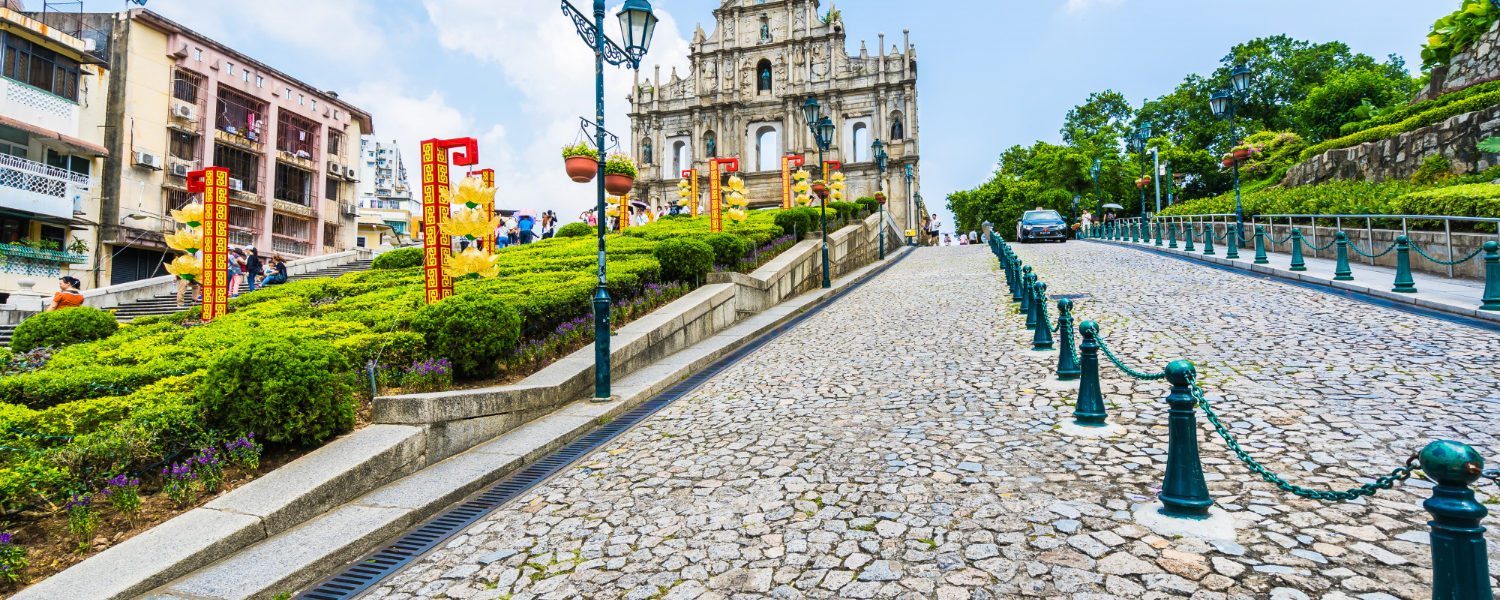
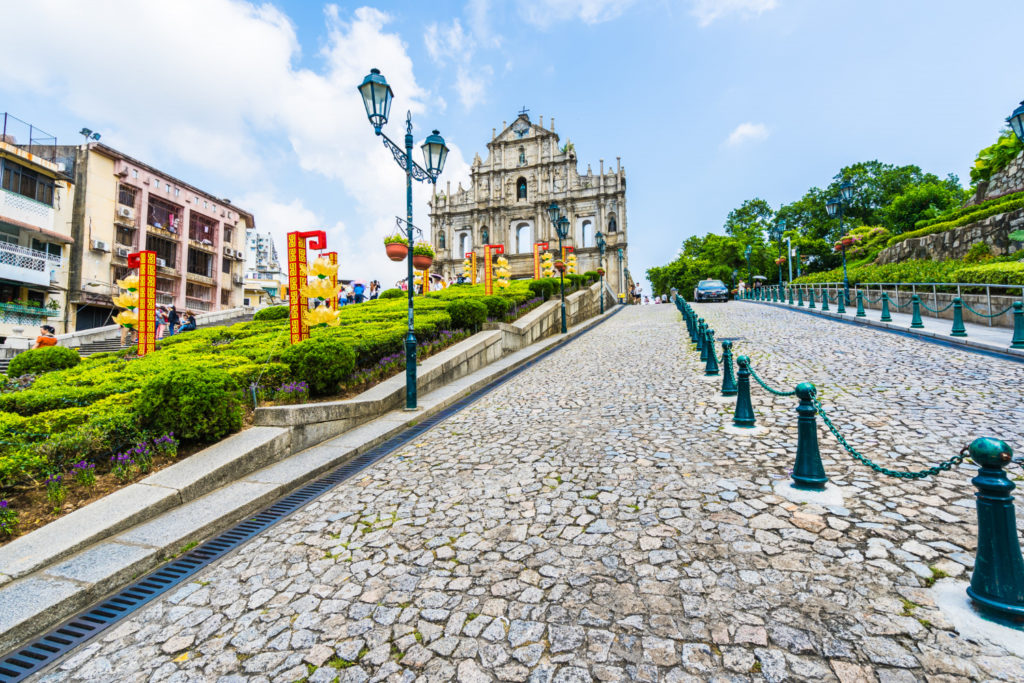
A Poker.org piece on attractions in Macau explains that there’s plenty to do once you’ve folded your last poker hand. They suggest one of the best spots in Macao is the ruins of St. Paul’s Cathedral which is a relic from Portuguese colonialism. The iconic Spanish-style structure stands in the middle of a scenic walkway surrounded by restaurants. Another historic edifice that is a must see for tourists is the Fortaleza do Monte. It is an ancient fort that was built in the seventeenth century as a Jesuit defensive system armed with cannons, which can still be seen today.
5. Where to Live
When compared to other places in Asia, the cost of living in Macau is relatively expensive. For a simple one bedroom studio-type apartment, it will cost approximately $570 a month. A two or three bedroom condo would cost about $1,140. But if you are coming from a city in the United States with a higher cost of living, like Boston or San Diego, these rates could be relatively cheap in comparison, which means you could go “all-in” on your new Macau apartment.
Moving to a new place can be exciting, especially if it’s overseas (to Macau), but there are many things that still need to watch out for. To help you prepare properly, check out our piece on the ‘Top 10 Mistakes To Avoid When Moving Abroad’. Happy travels!
